
Understanding Bed Bug Infestations
Bed bugs, scientifically known as Cimex lectularius, are small, nocturnal insects that feed on the blood of humans and animals. Their presence can lead to sleepless nights, discomfort, and significant distress for those affected. In recent years, there has been a resurgence in bed bug infestations across the United States, including Milwaukee and southeast Wisconsin. Understanding how bed bugs invade homes, their behaviors, and effective treatment options, is crucial for maintaining a pest-free environment. If you find yourself asking, “How do I choose a reliable bed bug exterminator?”, you are not alone. This guide will equip you with the knowledge to recognize, address, and prevent these unwelcome guests.
What Are Bed Bugs and How Do They Infest Your Home?
Bed bugs are typically introduced into homes through infested luggage, clothing, and used furniture. They are excellent hitchhikers, often traveling unnoticed from one location to another. Once they establish a foothold, they quickly multiply; a single female can lay hundreds of eggs in her lifetime, leading to rapid infestations. Bed bugs thrive in proximity to their hosts, preferring dark, secluded places such as the seams of mattresses, box springs, headboards, and even behind baseboards. Their ability to slip into tiny cracks and crevices allows them to spread quickly, making early detection challenging.
Common Signs of Bed Bug Infestation
Identifying a bed bug infestation early can make a significant difference in treatment success. Signs to look for include:
- Bloodstains: Small, rust-colored spots on sheets or mattresses from squashed bugs.
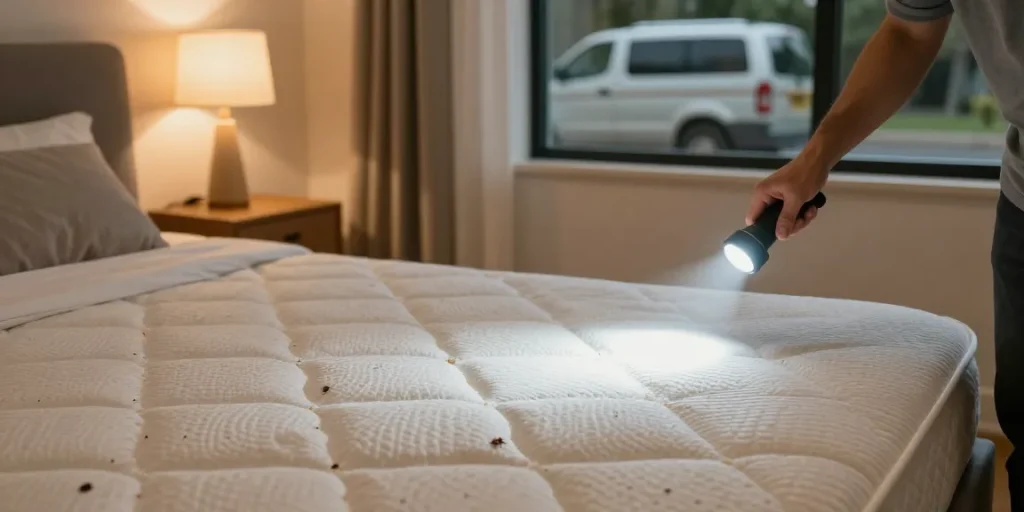
- Dark fecal spots: Small, dark spots on bedding or furniture fabric—indicative of bed bug droppings.
- Eggs and shed skins: Tiny white eggs and translucent skins left behind after molting.
- Itchy bites: Red, itchy welts that appear in a line or cluster on the skin, often mistaken for mosquito bites.
Health Risks Associated with Bed Bugs
While bed bugs do not transmit diseases, their bites can lead to significant discomfort and secondary infections due to scratching. The psychological impact of a bed bug infestation is also noteworthy; anxiety, sleep disturbances, and embarrassment can accompany the presence of these pests. Individuals may exhibit allergic reactions to bed bug bites, necessitating medical attention in extreme cases. Understanding these health implications underscores the importance of addressing infestations promptly and effectively.
Choosing the Right Bed Bug Exterminator
Finding an effective bed bug exterminator is critical to ensuring that your pest problem is resolved efficiently. The right professional will not only eliminate existing pests but also provide insights into preventing future infestations. Here are essential considerations when selecting a bed bug extermination service.
What to Look for in a Professional Bed Bug Exterminator?
When evaluating potential exterminators, consider the following factors:
- Experience: Look for companies with a proven track record in bed bug extermination specifically.
- Techniques: Evaluate the methods they use—heat treatments and chemical sprays each have their advantages and suitability depending on your situation.
- Certification: Ensure that the exterminator holds necessary certifications and licenses relevant to pest control in your area.
- Customer reviews: Check online testimonials and ratings from previous clients to gauge their effectiveness and reliability.
Comparing Treatment Options: Heat vs. Chemical
Bed bug treatment usually falls into two primary categories: heat treatments and chemical sprays.
- Heat Treatment: This eco-friendly method raises the temperature of the infested area to levels lethal to bed bugs. The effectiveness of heat treatment lies in its ability to penetrate into cracks, crevices, and other hard-to-reach areas. It can address all life stages of bed bugs, including eggs.
- Chemical Spray Treatment: Chemical formulations provide a residual barrier lasting up to 120 days, effective in preventing re-infestation. These products are especially useful in heavily infested areas, although they may require more preparation from the homeowner.
Cost Considerations for Bed Bug Extermination Services
Understanding the financial aspect of bed bug extermination is vital. While some services may advertise lower prices, it’s crucial to evaluate the value of the treatment provided. Prices can vary based on property size, level of infestation, and treatment method. An investment in a quality extermination service can save you from the long-term costs associated with untreated infestations.
Effective Bed Bug Treatment Methods
Once you’ve chosen a reliable exterminator, understanding the treatment process can help ease any apprehensions you may have. Here’s a closer look at how treatments are administered.
Step-by-Step Guide to Heat Treatment
Heat treatment typically involves the following steps:
- Preparation: The exterminator will instruct you on how to prepare your home, which may include removing some items and increasing airflow in the rooms.
- Heating: Special equipment raises the room temperature to a level that effectively kills bed bugs and their eggs.
- Monitoring: During treatment, temperatures are monitored to ensure that they remain effective throughout the process.
- Post-Treatment Inspection: A follow-up inspection may be scheduled to assess treatment effectiveness and ensure no residual bed bugs remain.
Understanding Chemical Spray Treatments
Chemical spray treatments generally follow a different path, including:
- Preparation: Similar to heat treatment preparation, you may need to store away certain items or vacate the premises for a time period.
- Application: The exterminator applies commercial-grade insecticides strategically in furniture seams, baseboards, and other common hiding spots.
- Post-Treatment Monitoring: A follow-up visit may be scheduled to monitor for the reappearance of any bed bugs.
How to Prepare Your Home for Extermination
Proper preparation is key to ensuring treatment effectiveness. Here are some tips:
- Declutter your home to provide easy access for exterminators.
- Wash and dry all bedding, clothes, and linens on high heat.
- Vacuum carpets and upholstery thoroughly.
- Seal infested items in plastic bags to prevent the spread of bugs.
Long-Term Prevention Strategies
Once you’ve successfully eliminated bed bugs, it’s vital to implement preventive measures to avoid future infestations. This proactive approach can save you time, stress, and money in the long run.
Conducting Routine Inspections: Tips for Homeowners
Routine inspections can help you catch an infestation early. Here’s how to do it effectively:
- Check mattress seams and furniture for signs of bed bugs at least once a month.
- Use a flashlight to inspect dark crevices where bed bugs may hide.
- Encourage family members to report any unexplained bites or skin reactions.
Best Practices for Preventing Reinfestation
Preventing bed bugs from returning involves a combination of vigilance and strategic actions:
- Avoid bringing home used furniture or bedding without thoroughly inspecting them first.
- Use mattress covers and encasements designed to trap bed bugs and prevent them from entering.
- Educate guests and family members about bed bug awareness to minimize accidental transport.
How to Educate Family and Guests About Bed Bugs
Education is a powerful tool in preventing infestations:
- Share resources about recognizing bed bug bites and signs of infestation with your family.
- Discuss the importance of reporting suspicions of bed bugs promptly.
- Encourage guests to be aware of bed bugs when traveling, such as checking hotel rooms upon arrival.
Customer Experiences and Success Stories
Hearing from satisfied customers can provide confidence in choosing your pest control service. Here’s how our treatments have made a difference for others.
Real-World Case Studies: Success with Bed Bug Extermination
Our proven track record includes numerous client success stories. For instance, one Milwaukee family faced a severe infestation that had affected their children’s sleep quality. After contracting our services, we used a combination of heat treatment and chemical sprays, resulting in complete elimination within several days. Their success story is just one among many where our tailored approaches have restored peace of mind for families.
What Our Clients Say About Their Experiences
Client testimonials reflect our commitment to quality service:
- “Affordable Bed Bug Exterminators took care of our problem quickly and discreetly. Their customer service was exceptional!”
- “I was unsure if I had bed bugs, so I called for a consultation. They were so helpful and thorough!”
How Our Bed Bug Exterminator Services Have Evolved
In response to customer feedback and the evolving landscape of pest control, we continually refine our services. Our technicians undergo regular training to stay up-to-date with the latest techniques and best practices, ensuring that we provide the most effective solutions available.
What is the average cost of hiring a bed bug exterminator?
The average cost can range significantly based on your location, the size of the infestation, and the treatment method. Typically, homeowners can expect to pay anywhere from $300 to $1,500. It’s important to get quotes from different providers and understand what services are included.
Can bed bugs return after treatment?
Yes, bed bugs can return if proper precautions are not taken post-treatment. Following preventative measures is essential to ensure that your home remains pest-free. Regular inspections and education about bed bug behavior significantly reduce the risk of re-infestation.
How do I know if I have a bed bug problem?
Signs of bed bug presence include unexplained bites on your skin, blood stains on sheets, and dark spots of fecal matter on bedding. If you suspect an infestation, it’s advisable to contact a professional exterminator for a thorough inspection.
What are the signs of a successful bed bug treatment?
Successful treatment is often marked by the absence of these signs: no bites on exposed skin, a lack of visible bugs or excrement, and a decrease in anxiety related to pest fears. Follow-up visits by your exterminator can also ensure continued effectiveness.
How often should I schedule pest control inspections?
For high-risk areas, it’s advisable to schedule inspections at least once a year. However, if you travel frequently or live in multi-family housing, more frequent inspections may be warranted to protect against potential infestations.