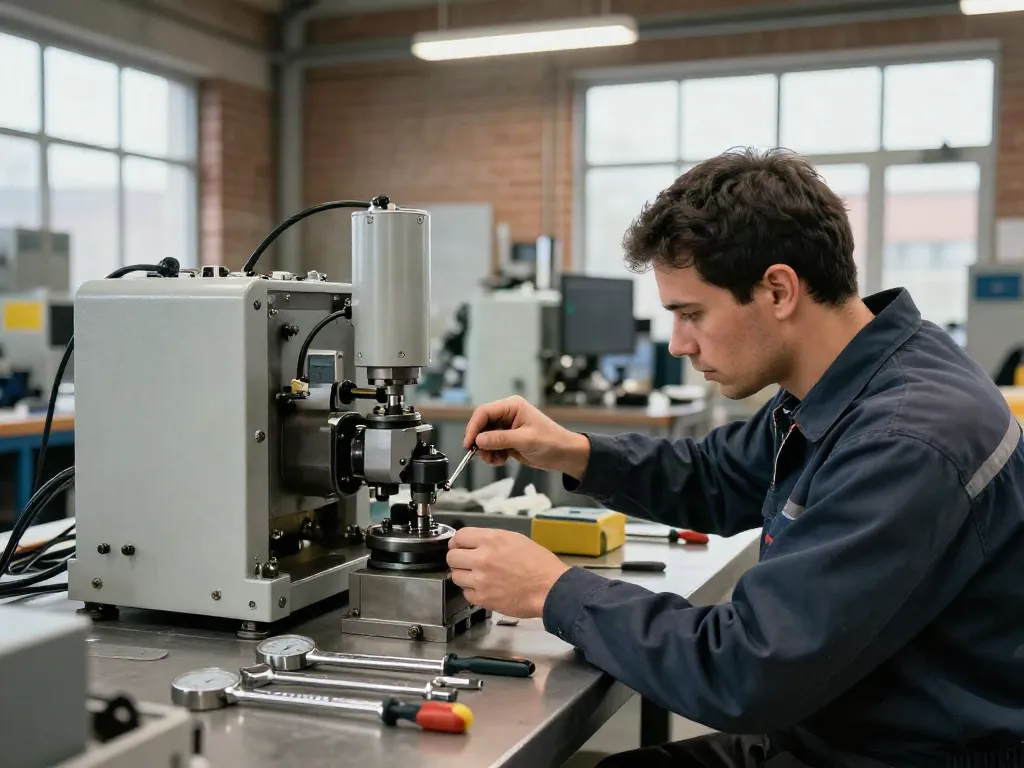
Understanding the Mechanical Vacuum Switch
A mechanical vacuum switch is an essential component in various industrial applications, providing reliable control over vacuum pressures in systems ranging from HVAC to manufacturing. These switches operate by utilizing mechanical components to sense and react to changes in vacuum pressure. The versatility and reliability of mechanical vacuum switches make them indispensable in ensuring the efficiency and safety of various systems. When exploring options, mechanical vacuum switch products offer comprehensive insights into efficient vacuum management.
What is a Mechanical Vacuum Switch?
A mechanical vacuum switch is a device that opens or closes an electrical circuit based on the vacuum level within a system. Unlike electronic vacuum switches, which rely on sensors and electronic components to perform this function, mechanical switches utilize a physical mechanism, such as a diaphragm or bellows, to detect changes in pressure. This simplicity allows for lower maintenance and higher reliability in demanding environments.
Key Components and Functionality
The primary components of a mechanical vacuum switch include the sensing element, which is typically a diaphragm or bellows. When a vacuum is created, the pressure difference between the inside and outside of the sensor causes it to move, either opening or closing a switch. Additional components often include:
- Housing: A durable enclosure that protects internal components from environmental factors.
- Adjustment Mechanism: A system that allows users to set the desired vacuum level, often featuring an external screw for easy calibration.
- Electrical Contacts: These carry the electrical signal to actuate machinery or alarms when vacuum levels reach specified limits.
Applications in Industrial Settings
Mechanical vacuum switches are prevalent in numerous industrial applications. Common uses include:
- HVAC Systems: They help maintain desired pressure levels in various heating and cooling applications.
- Packaging Machinery: Used to monitor and control vacuum levels essential for packaging processes.
- Manufacturing Processes: Instrumental in controlling vacuum pressures for applications like material handling and surface treatment.
Best Practices for Using Mechanical Vacuum Switches
Calibration Techniques for Accuracy
Accurate calibration of mechanical vacuum switches is crucial for optimal performance. Regular calibration checks should be conducted to ensure the switch operates within its specified range. This can be achieved by:
- Using external calibration tools that provide precise measurements of vacuum levels.
- Adjusting the set point using the external adjustment screw to align with the operational requirements.
- Documenting calibration settings for future reference and compliance with industry standards.
Common Installation Mistakes to Avoid
Installation plays a vital role in the effective functioning of mechanical vacuum switches. Common mistakes include:
- Incorrect placement of the switch, which can lead to false readings and potential system failures.
- Failing to secure the housing properly, risking exposure to dust and moisture that can cause malfunctions.
- Neglecting to check compatibility with the system’s pressure ranges, which may result in switch damage or inefficiency.
Maintaining Switch Performance Over Time
To ensure longevity and reliability, regular maintenance of mechanical vacuum switches is essential. Key maintenance practices include:
- Inspecting the switch housing for signs of wear, corrosion, or damage.
- Cleaning the sensor area to prevent buildup of debris that may inhibit performance.
- Performing routine tests to verify the accuracy of the switch against known standards.
Challenges in Mechanical Vacuum Switch Operations
Dealing with Environmental Factors
Mechanical vacuum switches are often exposed to harsh environments, affecting their performance. Challenges include:
- Corrosive substances that may degrade the switch housing and internal components.
- Extreme temperatures that can alter the mechanical properties of materials used within the switch.
- Dust and moisture ingress, which can interfere with the functionality of the switch.
Identifying Common Faults and Malfunctions
Recognizing when a mechanical vacuum switch is not functioning correctly is critical to maintaining system integrity. Common issues may include:
- Failure to actuate, which could be due to physical obstructions or internal damage.
- Erratic behavior, often caused by calibration drift or environmental factors affecting the switch.
- Inaccurate readings, which can lead to improper system responses and potential safety hazards.
Troubleshooting and Repair Strategies
Effective troubleshooting involves a systematic approach to identifying and rectifying issues. Strategies include:
- Performing visual inspections to identify physical damage or wear.
- Referencing the manufacturer's guidelines for specific troubleshooting steps relevant to the switch model.
- Considering replacement of parts or the entire switch if repairs are not feasible.
Future Trends in Mechanical Vacuum Switch Technology
Advancements in Design and Materials
As technology evolves, so too does the design and material composition of mechanical vacuum switches. Upcoming trends include:
- Utilization of advanced materials that enhance durability and resistance to environmental factors.
- Innovative designs that allow for more compact installations without sacrificing performance.
- Integration of fail-safe mechanisms to enhance operational reliability in critical applications.
Integration with Smart Automation Systems
The push towards Industry 4.0 is driving the integration of mechanical vacuum switches with smart automation systems. This integration could lead to:
- Enhanced data collection for predictive maintenance and system optimization.
- Improved remote monitoring capabilities, allowing operators to manage systems more efficiently.
- Seamless communication between devices, enhancing overall system performance and reliability.
Predictions for the Industry in 2026
The landscape for mechanical vacuum switches is set to evolve significantly by 2026. Predictions include:
- A surge in demand for mechanical switches due to the increasing automation of industrial processes.
- Advancements in sensor technology leading to even more precise vacuum control solutions.
- Greater emphasis on environmental sustainability, prompting the development of eco-friendly switch options.
FAQs About Mechanical Vacuum Switches
What is a vacuum switch used for?
A vacuum switch is primarily used to monitor and regulate vacuum pressure within systems, triggering alarms or operational changes when predefined vacuum levels are reached.
How do mechanical vacuum switches differ from electronic switches?
Mechanical vacuum switches operate using physical mechanisms to detect pressure changes, while electronic switches rely on sensors and electronic circuits to perform the same function. This can lead to differences in reliability, maintenance needs, and response times.
What maintenance does a mechanical vacuum switch require?
Maintenance of a mechanical vacuum switch involves regular inspections, cleaning, calibration checks, and replacement of worn parts to ensure optimal performance.
Can I use a mechanical vacuum switch for HVAC systems?
Yes, mechanical vacuum switches are commonly used in HVAC systems to maintain proper pressure levels, ensuring efficient operation and energy savings.
What are the safety features of mechanical vacuum switches?
Many mechanical vacuum switches come equipped with fail-safe options, allowing them to safely shut down systems in case of abnormal pressure conditions, thereby preventing potential hazards.