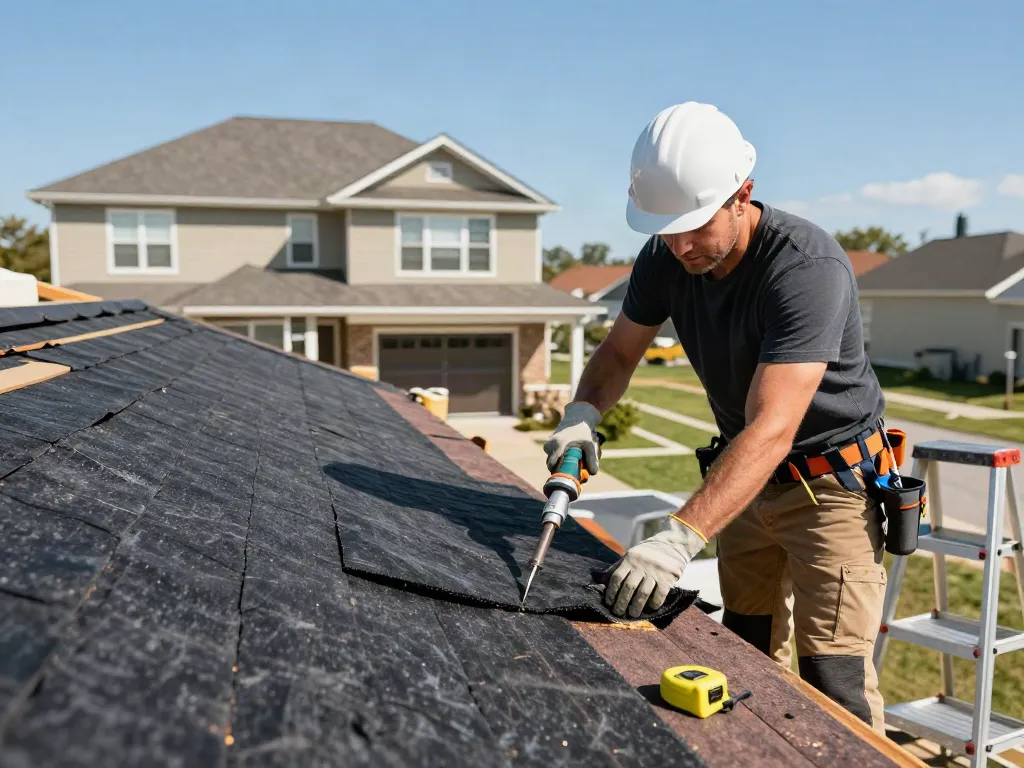
Understanding Felt Roofing Basics
Felt roofing is a widely used option for flat roofs, offering a cost-effective and reliable waterproofing solution. This type of roofing is particularly popular in the UK for garages, extensions, and other flat structures, where traditional pitched roofs may not be feasible. With advancements in materials and installation techniques, modern felt roofing systems provide durability and resistance against severe weather conditions. When exploring options, felt roof systems have established themselves as a trustworthy choice for homeowners seeking a long-lasting roofing solution.
What is a felt roof?
A felt roof is a flat roofing system that involves the installation of overlapping layers of felt, typically made from bitumen or asphalt. The felt is usually applied in multiple layers to enhance durability and waterproofing. These roofs are designed to shed water efficiently, although their design requires careful attention during installation to ensure that water drains properly.
Benefits of using felt roofing systems
- Cost-Effective: Felt roofing is generally cheaper than other roofing systems, making it an attractive option for budget-conscious homeowners.
- Quick Installation: The installation process for felt roofs is straightforward, often leading to shorter project timelines.
- Durability: When installed correctly, felt roofs can last over 20 years, depending on the quality of materials used.
- Weather Resistance: Modern felt roofing materials are designed to withstand harsh weather conditions, providing excellent protection against rain and snow.
Common materials used in felt roofing
Felt roofing typically involves the use of materials like bitumen, polyester, and fiberglass. Bitumen provides excellent waterproofing properties, while polyester and fiberglass enhance the strength and durability of the felt layers. The choice of material can significantly impact the longevity and performance of the roof, with modern advancements offering improved resistance to wear and tear.
Choosing the Right Felt Roofing Specialist
Finding a qualified and trusted felt roofing specialist is vital to ensure that your roofing project is completed to high standards. The right contractor will not only have the necessary skills and experience but will also provide you with peace of mind throughout the process.
How to find trusted local felt roofers
To find reliable local roofers, consider using online services or platforms that match homeowners with pre-screened contractors. Look for companies with positive reviews and testimonials from past clients. Additionally, asking for recommendations from friends or family can help identify reputable professionals in your area.
What qualifications to look for in roofing contractors
When selecting a roofing contractor, it’s essential to check that they hold the necessary qualifications and certifications. Look for memberships in recognized industry organizations, as this often indicates a commitment to quality and safety standards. Furthermore, check their portfolio of completed projects to assess their level of expertise and workmanship.
Importance of insurance and references
Always verify that your chosen contractor has appropriate insurance coverage. This protects both you and the contractor in the event of accidents or damages during the project. Additionally, requesting references from previous clients can provide insight into the contractor's reliability and quality of work.
Felt Roof Installation Process
The installation of a felt roof involves several critical steps that require precision and expertise. A well-executed installation can extend the life of the roof and enhance its performance.
Step-by-step guide to installing a felt roof
- Preparation: Clear the roof surface of debris and ensure it’s dry and clean.
- Insulation: If needed, add insulation to enhance energy efficiency.
- Laying the First Layer: Roll out the first layer of felt, ensuring it's flat and overlaps with adjacent pieces.
- Securing the Layers: Use a torch or adhesive to secure the felt layers to the roof deck.
- Finishing Touches: Apply additional layers similarly and ensure edges are sealed.
- Final Inspection: Conduct a thorough check to ensure there are no missed spots or areas prone to leaks.
Essential tools and materials needed
Key tools for the installation of a felt roof include a utility knife, roller, torch for torch-on felt, and measuring tape. Essential materials include various layers of roofing felt, adhesive, and insulation materials if required. Having the right tools and materials ready will facilitate a smoother installation process.
Common mistakes to avoid during installation
Some common pitfalls during felt roofing installation include inadequate preparation of the roof surface, improper overlapping of felt layers, and neglecting to secure edges appropriately. These mistakes can lead to leaks and premature roof failure, underscoring the importance of hiring experienced professionals.
Maintaining Your Felt Roof
Regular maintenance is crucial to prolonging the life of your felt roof and ensuring it performs effectively throughout its lifespan.
Best practices for felt roof maintenance
- Regular Inspections: Schedule routine inspections, ideally twice a year, to catch any potential issues early.
- Debris Removal: Keep the roof clear of debris, leaves, and anything that could obstruct drainage.
- Repairing Minor Damages: Address any small tears or punctures promptly to prevent worsening issues.
Signs that your felt roof needs repair
Common indicators that your felt roof requires repair include visible sagging, water stains on ceilings or walls, and pooling water on the surface. If you notice any of these signs, it’s essential to consult a roofing professional to assess the situation.
How to inspect your felt roof
Conducting a roof inspection can be done safely with a ladder and proper equipment. Look for signs of wear, damage, or loose felt edges. Additionally, check for any signs of water pooling or drainage issues. Regular inspections can help to extend the life of your roof and prevent costly repairs.
Future Trends in Roofing
The roofing industry is continuously evolving, with new technologies and practices emerging to improve efficiency, sustainability, and durability.
Innovations in felt roofing technology
Future advancements in felt roofing technology may include enhanced materials that offer better insulation, increased durability, and lower environmental impact. Innovations such as self-healing materials and smart roofing systems that monitor conditions could also become prevalent.
Eco-friendly felt roofing options
As sustainability becomes a priority, eco-friendly felt roofing options are likely to gain traction. Materials that are recyclable, produced with less energy, or offer improved environmental benefits are increasingly being developed to cater to environmentally conscious consumers.
Predictions for the roofing industry by 2026
By 2026, we can anticipate a stronger emphasis on sustainable practices within the roofing industry. The adoption of green technologies, increased use of recycled materials, and a more significant focus on energy-efficient solutions will likely shape the future landscape of felt roofing.
What are the disadvantages of felt roofing?
While felt roofing has numerous advantages, it is important to consider its disadvantages, such as susceptibility to damage from UV light and potential for leaks if not installed correctly. Additionally, felt roofs may require more frequent maintenance compared to other roofing systems, especially in adverse weather conditions.
Is roofing felt 100% waterproof?
Roofing felt is water-resistant but not entirely waterproof. This means that while it can repel water to a certain extent, prolonged exposure to moisture can eventually lead to leaks if the felt is not properly maintained.
What do roofers use instead of felt?
Alternatives to felt roofing include synthetic membranes, single-ply roofing, and traditional roofing materials such as shingles or metal sheeting. Each material offers different benefits and drawbacks, making it essential to assess your property’s specific needs before deciding on the right roofing system.